
Key Notes
- Digital tools free nurses from routine tasks, returning time to direct patient care.
- Continuous monitoring and predictive alerts can catch deterioration earlier.
- Clinical judgment and compassion remain irreplaceable at the bedside.
- Data literacy and informatics are now essential nursing competencies.
- Technology must be designed around nurses' real workflows, not imposed on them.
Nursing at a Technological Inflection Point
Few professions sit closer to the human experience of illness than nursing, and few are being reshaped more quickly by technology. In 2026, the bedside is surrounded by digital systems: electronic health records, continuous vital-sign monitors, wearable sensors, smart infusion pumps, and increasingly, AI tools that flag patients at risk. The question for the profession is not whether to adopt these tools, but how to do so in a way that strengthens — rather than erodes — the human heart of care.
How Digital Tools Are Changing the Work
Continuous monitoring and early warning
Traditionally, a patient's vital signs were checked at intervals, leaving long gaps in which deterioration could go unnoticed. Wearable and bedside sensors now stream data continuously, and early-warning systems can alert nurses to subtle, dangerous trends before they become emergencies. Studies of rapid-response and early-warning systems have shown real potential to reduce avoidable harm — when the alerts are trustworthy and the team can act on them.
Reclaiming time for care
Nurses have long spent a significant share of their shifts on documentation and coordination rather than patients. Well-designed digital systems — voice-to-text charting, automated data capture, streamlined handovers — can give some of that time back. The promise of health technology, properly realized, is not to replace the nurse but to return them to the bedside.
Decision support, not decision replacement
AI tools can now suggest likely diagnoses, flag drug interactions, and prioritize caseloads. Used well, they act as a vigilant second set of eyes. But they are prone to error, bias, and false alarms. A nurse who understands both the patient and the tool's limits provides the essential judgment that keeps technology safe.
The Human Core That Technology Cannot Touch
For all the innovation, the defining acts of nursing remain stubbornly human: noticing that a patient "just doesn't look right," comforting a frightened family, advocating for a vulnerable person who cannot speak for themselves. These are not inefficiencies to be automated away; they are the profession. The best digital healthcare amplifies the nurse's presence — it does not substitute for it.
Alarm fatigue illustrates the danger of forgetting this. When monitors cry wolf too often, staff become desensitized, and real emergencies can be missed. Technology that ignores human factors can make care less safe, not more. This is why nurses must be involved in designing and evaluating the tools they use.
A Concrete Example
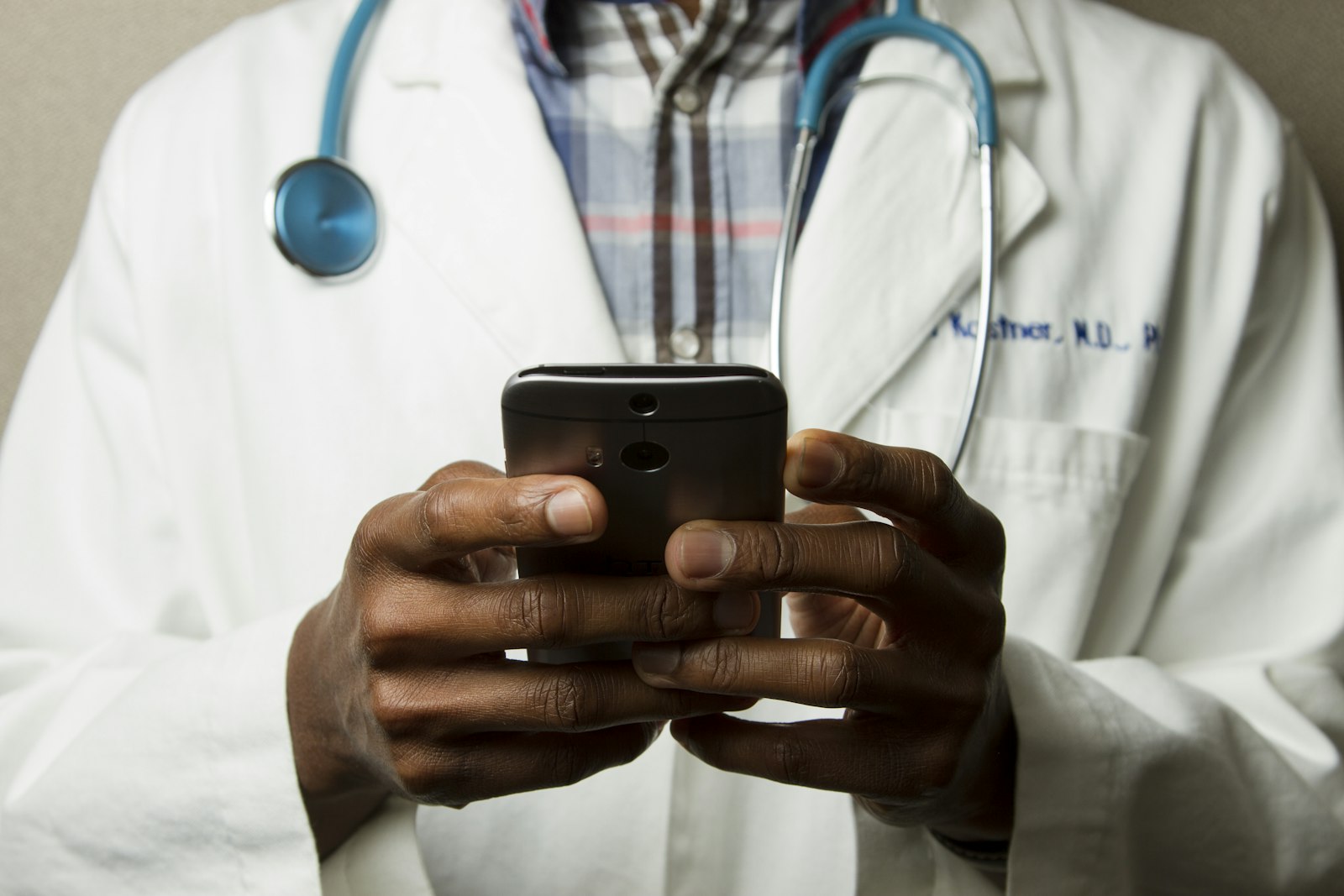
Imagine a busy medical ward using a predictive early-warning system. A sensor flags a patient whose heart rate and respiratory trends suggest early sepsis — hours before obvious symptoms appear. The nurse, alerted on a handheld device, assesses the patient, confirms the concern with clinical judgment, and escalates care. Treatment begins early, and a life-threatening crisis is averted.
The system did not make the decision; it focused the nurse's attention. The outcome depended on a trained professional who could interpret the alert, examine the patient, and act. Technology and judgment worked together — which is the model for all of digital healthcare.
The Modern Nurse's Skill Set
- Clinical judgment — the irreplaceable ability to assess, interpret, and respond.
- Informatics and data literacy — understanding, questioning, and acting on digital data.
- Technological adaptability — learning new systems quickly and using them critically.
- Communication and compassion — the human skills that define quality care.
- Ethics and safety — protecting privacy, consent, and patient dignity in a data-rich environment.
Why Research-Led Nursing Education Matters
Health technology is only as good as the evidence behind it. Does a given early-warning system actually save lives in this setting? Does a new workflow reduce errors or simply shift them? Research-literate nurses can evaluate these questions rather than accept vendor claims. A research-centered environment trains nurses to be not just skilled practitioners but critical, evidence-driven professionals. At AIRCST, nursing is studied at the intersection of care, science, and technology.
Looking Ahead
The connected nurse of the future will work alongside intelligent systems that monitor, predict, and assist — but the profession's center of gravity will remain the human relationship between nurse and patient. Those who master both the technology and the timeless craft of care will lead healthcare into its next era.
Care Meets Science — Study Nursing & Digital Healthcare at AIRCST
At the Aleta International Research Center for Science and Technology (AIRCST), our Nursing & Digital Healthcare researchers explore how technology can strengthen compassionate, evidence-based care. If you want to shape the future of the profession, explore our programs and join us, or contact our team to learn more.